Baby Boo
First Impressions: A Playful Embroidery Design
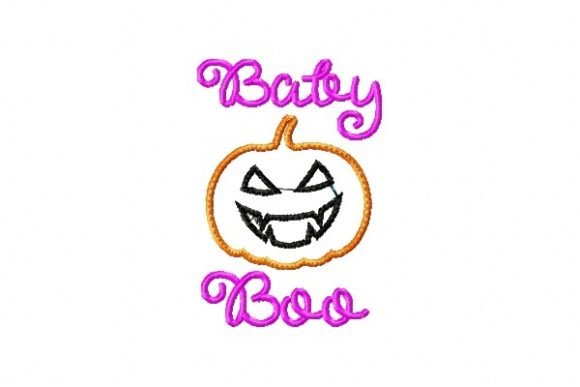
The moment I saw Baby Boo, I was immediately drawn to its charming and whimsical vibe. The design exudes a sense of innocence and playfulness that’s perfect for children’s apparel, but it also has the potential to appeal to a broader audience. The layout is clean and balanced, with the central figure of the baby boo positioned in a way that feels both centered and dynamic. The level of detail is just right—enough to add character without overwhelming the fabric.
Baby Boo carries a soft, friendly personality that makes it feel like a companion rather than just a decorative element. The stitching style suggests a handcrafted touch, which aligns well with handmade products and boutique brand aesthetics. It doesn’t scream for attention, but it does have a subtle presence that invites closer inspection. This makes it ideal for both casual and more curated settings.
How Baby Boo Works on Sweatshirts and Hoodies
When considering Baby Boo for sweatshirt embroidery, I thought about how it would translate onto different fabric types and styles. On neutral sweatshirts, the design stands out beautifully, offering a playful contrast without being too bold. Dark fabrics like black or navy provide a striking background that highlights the embroidery’s details, making it pop even more.
Pastel-colored sweatshirts could also work well with Baby Boo, as the soft hues complement the design’s gentle tone. For oversized hoodies, placing Baby Boo on the chest or sleeve adds a cute, personalized touch that doesn’t overpower the garment. It’s versatile enough to be used on the back as a full design or on the front as a smaller accent.
As a hoodie design, Baby Boo offers great flexibility. It can be scaled down for a subtle look or kept at its original size for a more prominent statement. This adaptability makes it a strong candidate for custom apparel projects, especially for small shops looking to create unique, eye-catching pieces.
Design Assets and Practical Considerations
Before jumping into production, I’d recommend checking the embroidery file details. While the description mentions machine embroidery, specifics like hoop size, stitch density, and thread colors are essential for ensuring the design works well on various fabrics and machines.
Baby Boo seems to be designed with a reasonable hoop size in mind, which is good for most standard embroidery machines. However, if you’re working with thicker fabrics or using multiple layers, consider the stabilizer type. A tear-away or cutaway stabilizer might be necessary to keep the design flat and secure during stitching.
Thread color contrast is another important factor. Since Baby Boo is a cute and playful design, bright or pastel threads could enhance its charm. But if you’re aiming for a more sophisticated look, neutral thread colors might be better suited. Always test the design on a sample before mass production.
Stitch density is crucial for durability, especially when dealing with commercial embroidery. A higher stitch count ensures the design holds up through washing and wear, which is vital for small shop product longevity. If the file lacks specific stitch counts, it’s worth reaching out to the seller for clarification.
Baby Boo in the Context of Boutique Branding
For a boutique brand or Etsy seller, Baby Boo offers a unique opportunity to stand out. Its cute and friendly nature makes it appealing to parents and caregivers, while still having broad enough appeal to attract a wider customer base. This versatility is a major plus for custom apparel and handmade product lines.
In terms of brand identity, Baby Boo can help establish a playful, approachable image. It’s easy to incorporate into lifestyle product photography, where the design can be showcased in cozy, seasonal settings. Mockups and printable previews are essential tools for visualizing how the design will look on real garments, so ensure you have high-quality printable mockup assets.
Value, Trust, and Customer Engagement
Using Baby Boo in your product line can significantly impact product value and buyer trust. A well-executed embroidery design enhances the perceived quality of the item, especially when paired with premium materials. Customers are more likely to invest in a handmade product that feels personal and unique.
From a customer engagement standpoint, Baby Boo has the potential to spark conversations and create emotional connections. Its playful nature encourages storytelling, which is valuable for small shop product marketing. Whether it's a Halloween-themed piece or a year-round staple, the design has the flexibility to fit into various seasons and occasions.
Final Thoughts on Using Baby Boo
Baby Boo is a promising design that balances charm and practicality. It’s well-suited for sweatshirt embroidery, hoodie design, and other custom apparel applications. With the right design assets and preparation, it can become a standout piece in your boutique brand’s collection.
While there are some considerations to keep in mind, such as thread colors, stitch density, and hoop size, these are all manageable with proper research and testing. Overall, Baby Boo feels like a strong choice for those looking to blend creativity with commercial viability in the world of machine embroidery design.